Collaborateurs : Basmajian, Silva | Flahive, Gerry | Maurice, Gail | Office national du film du Canada

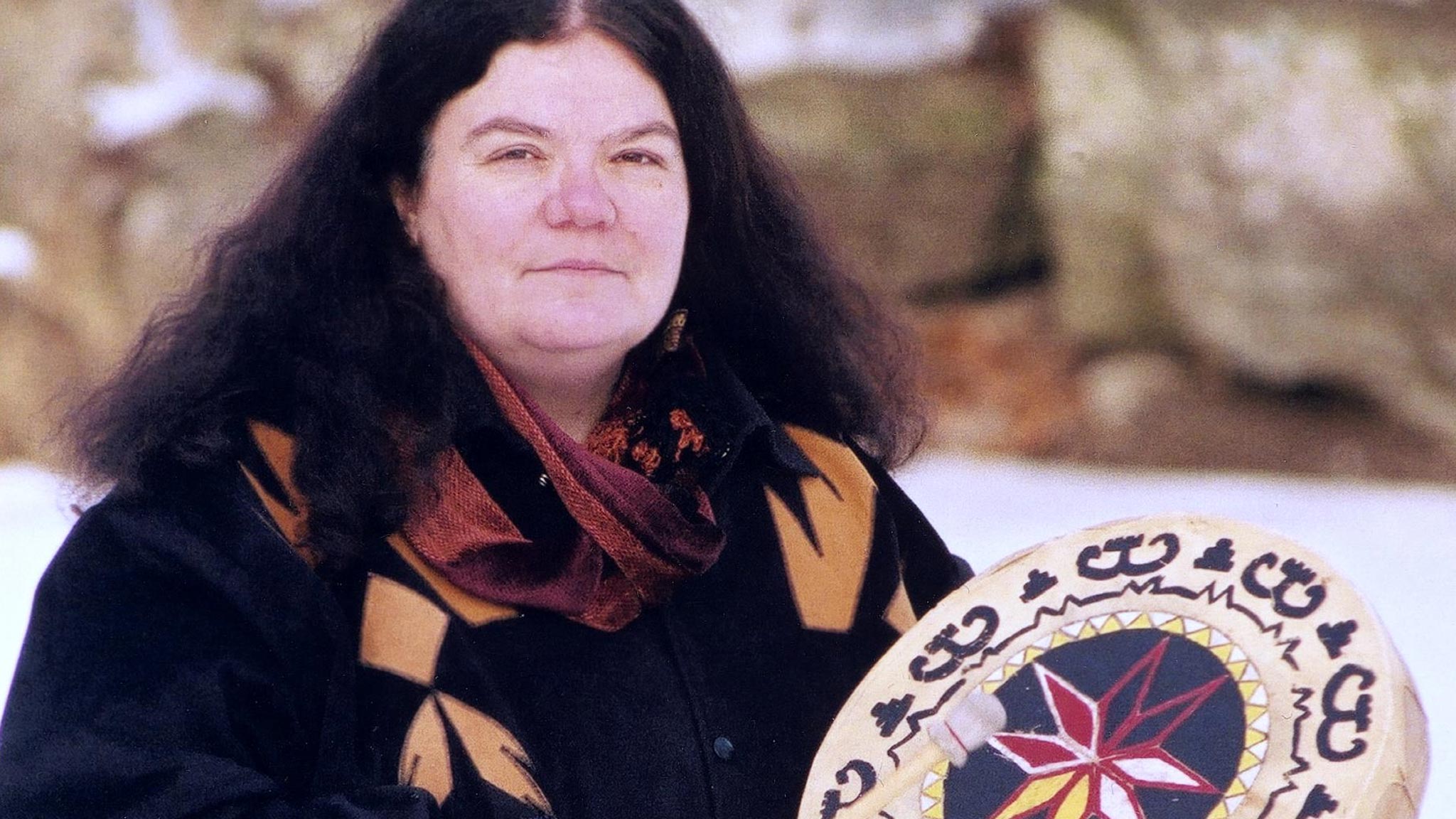
Christians have cathedrals, Muslims their mosques. Indigenous people in Canada are used to praying in natural settings, all the world is a sacred space. Smudge follows three Indigenous women who celerate their right to worship in their own ways - drumming, singing or using sweetgrass - spiritual practices that may seem at odds with a busy city.

Années scolaires
Formation générale des adultes
Adultes 1er cycle | Adultes 2e cycle
Secondaire
4e secondaire | 5e secondaire
Résultats de la recherche

Découvrir des ressources similaires

Image représentant la ressource: Second Stories - Honour Thy Father

Second Stories - Honour Thy Father

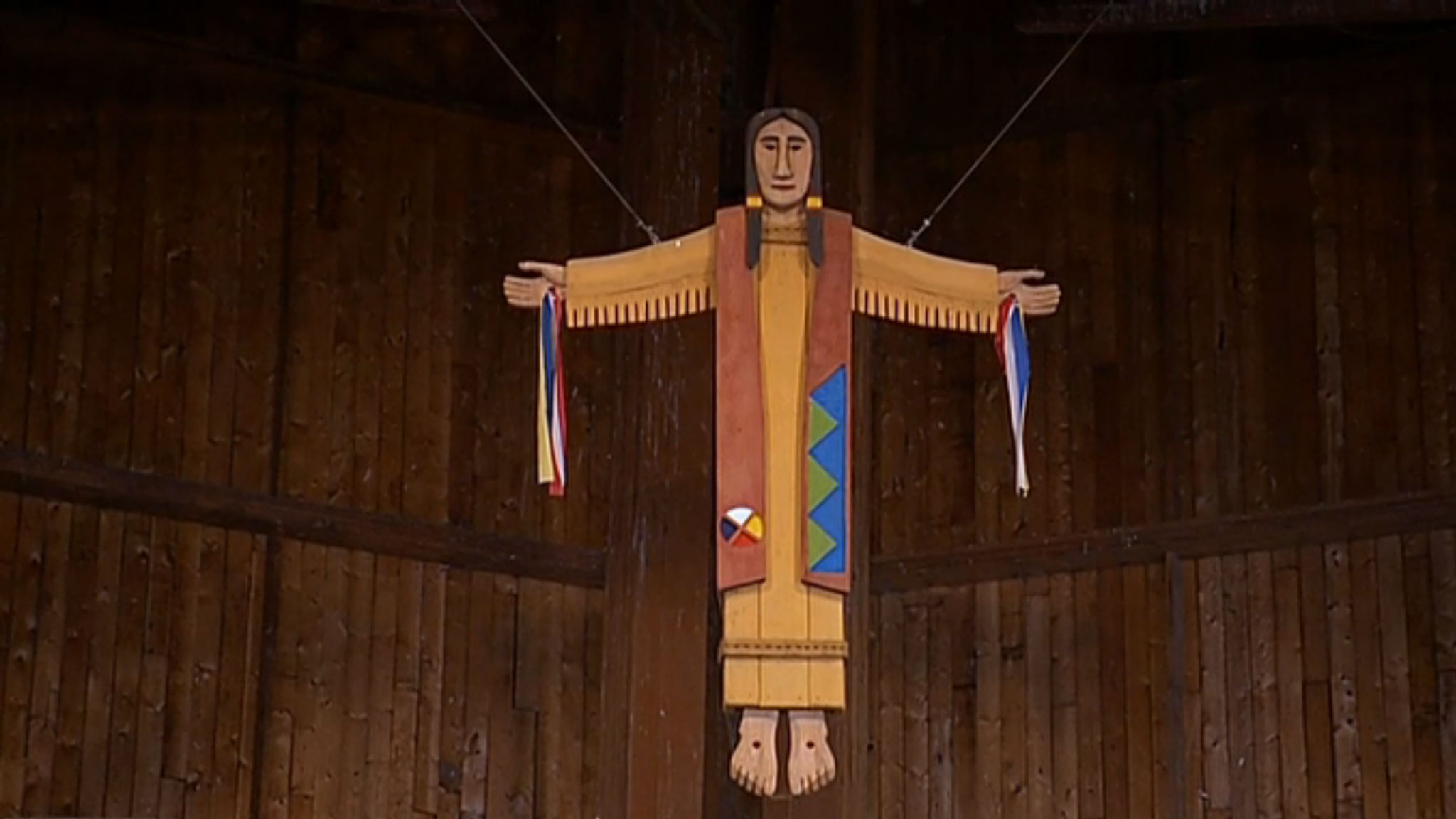
Second Stories follows on the heels of the enormously successful First Stories project, which produced three separate collections of short films from Manitoba, Saskatchewan and Alberta. First Stories films have gone on to win many awards, both collectively and individually, in national and international festivals and competitions. Second Stories builds on that success by providing a continuum of training for three of the twelve Indigenous filmmakers who delivered such compelling documentary shorts. Through this unique mentoring and training process, Second Stories filmmakers have a chance to hone their storytelling craft (in a professional production experience), while working with a strong creative team to assist in the realization of their half-hour documentaries. Each of the filmmakers selected were assigned a story consultant/story editor and an NFB producer. As was the case with First Stories, the emphasis is on enabling Indigenous filmmakers to tell the stories that are important to them and their communities. The partners in this special initiative are CBC, APTN, SCN, SaskFilm and MANITOBA FILM & SOUND. Honour Thy Father Honour Thy Father is a poignant look at cultural misunderstanding and its toll on a family's grief. The loss of his father was a devastating blow for filmmaker Gerald Auger. The local Anglican priest refused to allow the family to bury their father in the traditional Cree way - with the drum and the smudge - because he was buried on Anglican church property. Gerald sets out to resolve his hurt and anger by seeking official church approval to honour his father traditionally; his path leads him to some unexpected places.

Années scolaires : Adultes 1er cycle | Adultes 2e cycle | 4e secondaire | 5e secondaire
Image représentant la ressource: The Sacred Sundance : The Transfer of a Ceremony

The Sacred Sundance : The Transfer of a Ceremony

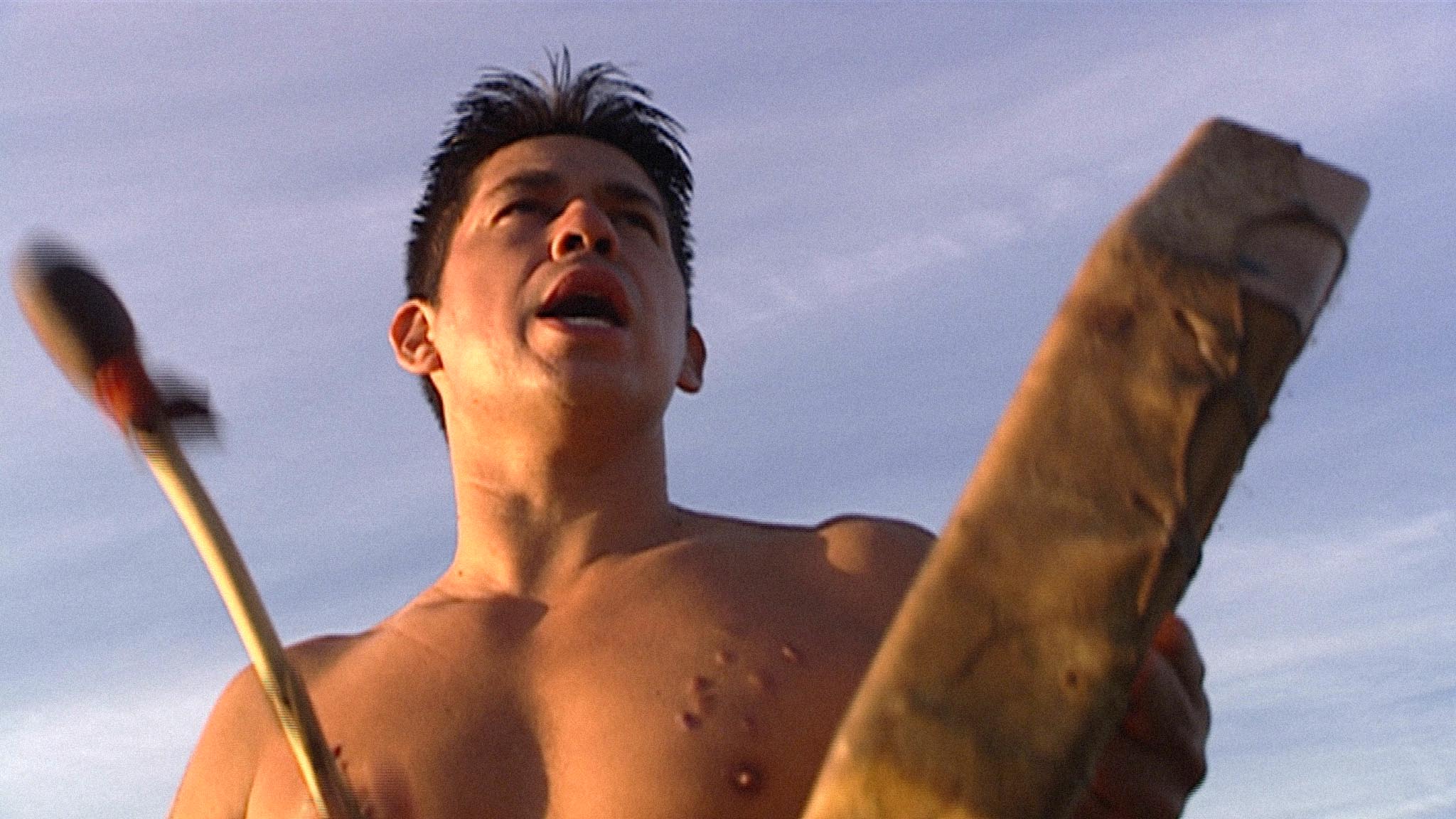
Under a sweltering July sky, participants in the sacred Sundance ceremony go four days without food or water. At the end of the gruelling experience they will pierce the flesh of their chests in an offering to the Creator. The Sundance is a ritual long misunderstood, and once banned - but one that is now helping to bring personal and social healing to East Coast Indigenous communities. With The Sacred Sundance, Mi'kmaq director Brian J. Francis journeys into the traditions of North American Indigenous spirituality. The Sundance is new to the Mi'kmaq people of Eastern Canada, brought to them from the West by elder William Nevin of the Elsipogtog First Nation. This event marks a unique transmission of traditional culture from one First Nation to another. Nevin first dances for two of his children who were critically ill, and later to help heal his fractured community. Another man becomes involved in an effort to leave behind a life of alcohol and criminal activity, and to become a role model for his young family. A woman takes part in order to understand her identity and affirm her role as a North American Indigenous woman. For all of them, the Sundance is a link to the great warrior traditions of the past. The Sundance itself cannot be filmed, but through the preparations for the ceremony, and through the words of its participants, we are left with a deep understanding of the healing power it has brought to communities who did not traditionally practice it. The film offers a model for Indigenous people reclaiming their heritage and embracing traditions - and with them, hope for the future.

Années scolaires : 3e secondaire | 4e secondaire | 5e secondaire