Birth of a Family

Collaborateurs : Christensen, David | Hubbard, Tasha | Thompson, Bonnie | Office national du film du Canada

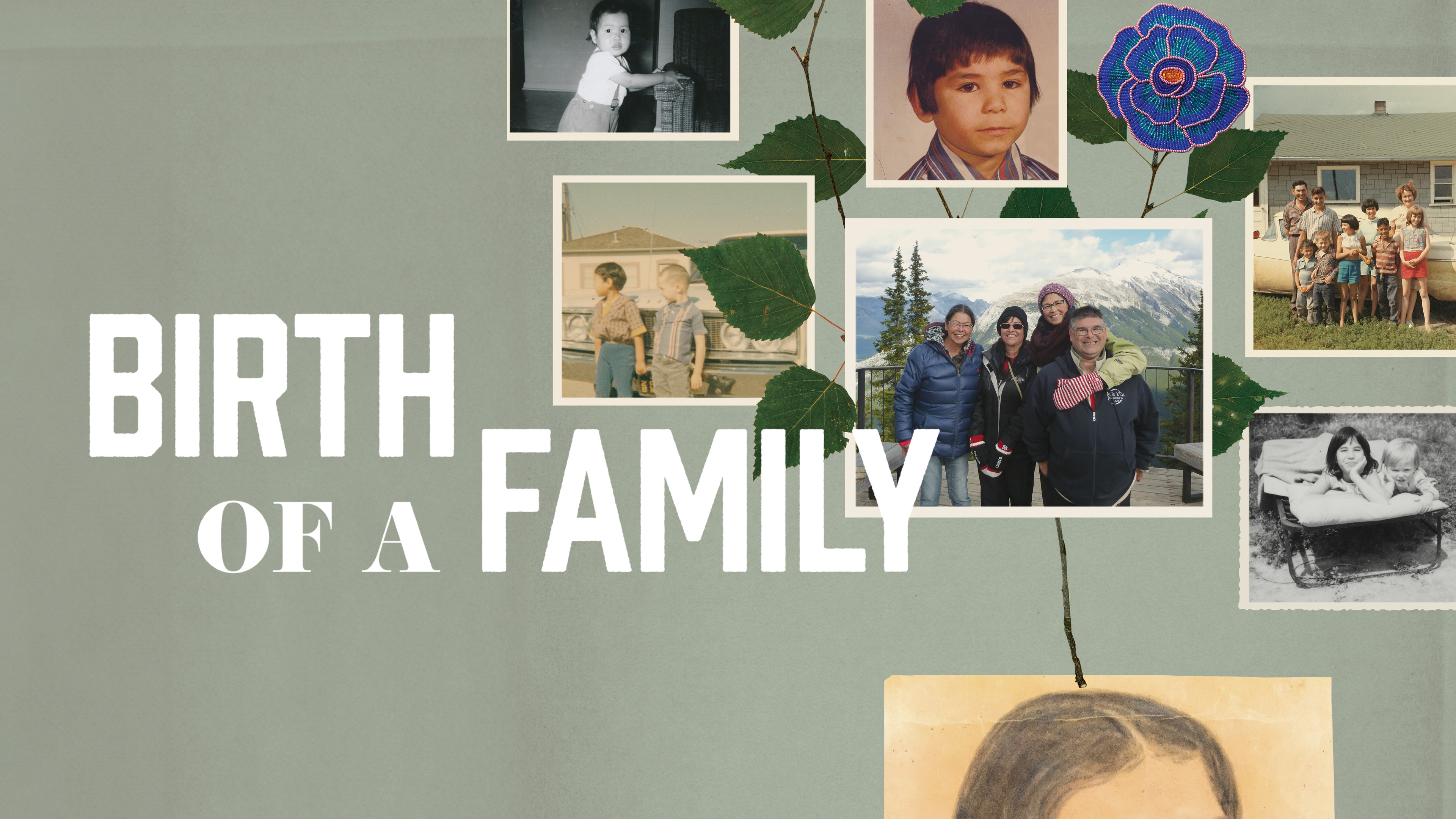
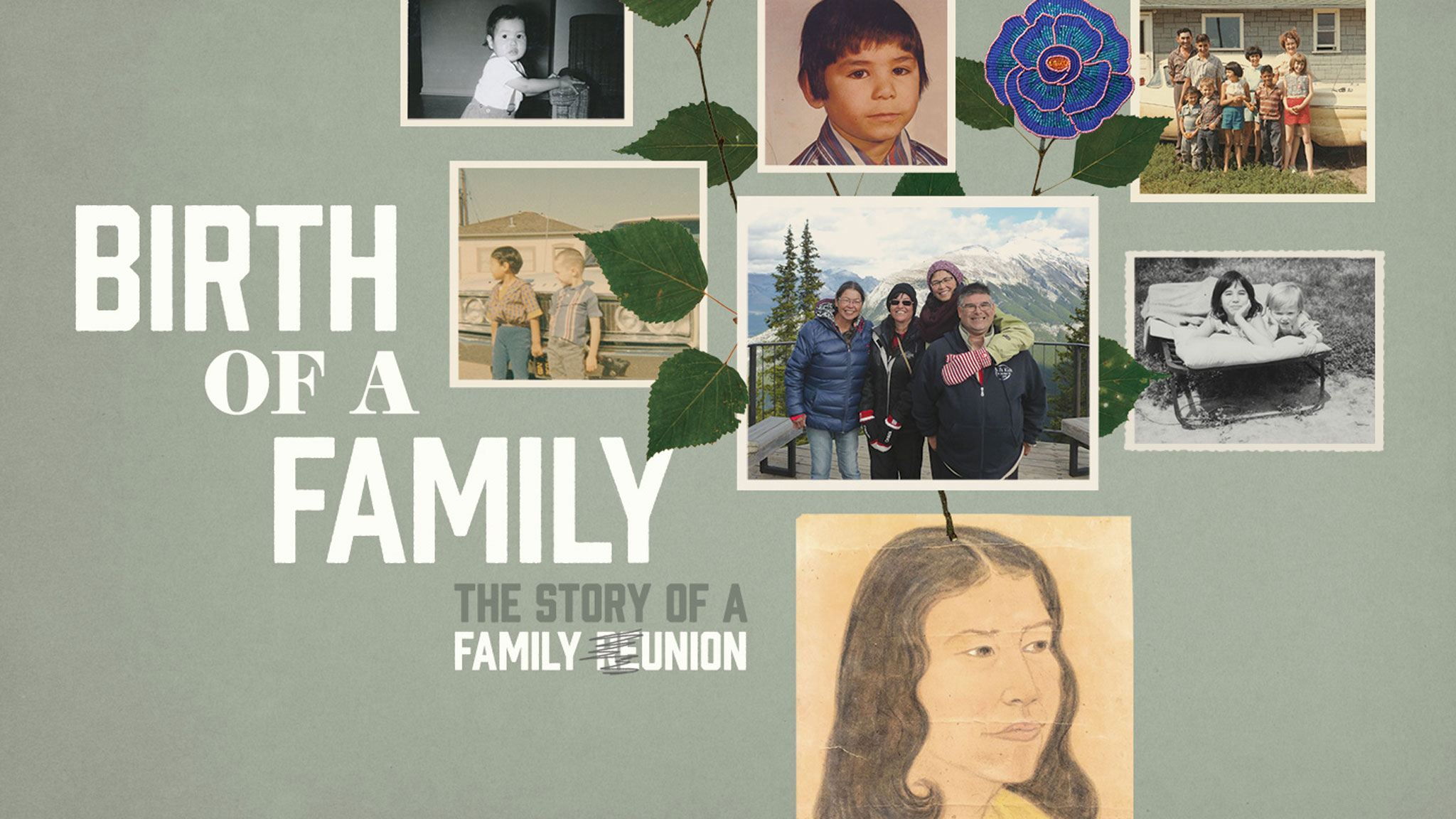
Three sisters and a brother, adopted as infants into separate families across North America, meet together for the first time in this deeply moving documentary by director Tasha Hubbard. Removed from their young Dene mother’s care as part of Canada’s infamous Sixties Scoop, Betty Ann, Esther, Rosalie and Ben were four of the 20,000 Indigenous children taken from their families between 1955 and 1985, to be either adopted into white families or to live in foster care. Now all in middle age, each has grown up in different circumstances, with different family cultures, different values and no shared memories. Birth of a Family follows them through the challenges, trepidations and joys of their first steps towards forming their family. Meeting all together for the first time, they spend a week in Banff, Alberta, sharing what they know about their mother and stories about their lives and the struggles they went through as foster kids and adoptees. As the four siblings piece together their shared history, their connection deepens, bringing laughter with it, and their family begins to take shape.

Années
Formation générale des adultes
Adultes 1er cycle | Adultes 2e cycle
Secondaire
3e secondaire | 4e secondaire | 5e secondaire
Résultats de la recherche

Découvrir des ressources similaires

Image représentant la ressource: Wards of the Crown

Wards of the Crown

At age 13, Andrée Cazabon was briefly placed in a group home. Marked by this experience, the filmmaker decided to track four young people for 10 months as they prepared to leave foster care. The result is Wards of the Crown, a stirring documentary about a little-known reality. Leaha, Myrtho, Emily and Chantal are among the 66,000 youngsters in foster care in Canada. These four young people, all between 16 and 20 years old, give us a candid look at their lives. Beyond their personal stories, all four speak disdainfully about an inept, overburdened foster-care system. "We were like robots they experimented on," says Myrtho. "Nobody has time for a depressed, suicidal thirteen-year-old," adds Emily. In addition to their sad revelations, Wards of the Crown spotlights a system that isn't working, as Claudette Mayheux, a director at the Children's Aid Society, readily admits. "Foster care must become a temporary, short-term solution," she advises. Though the comments are frank and heartbreaking, the documentary never adopts a sensationalist tone. The shocking disclosures have the ring of truth. With great empathy and a real gift for listening, the filmmaker skilfully blends the four stories. "When kids become wards of the Crown, does their mother become Queen Elizabeth?" the filmmaker quips. Black humour is one weapon these young people have used to survive (and youngsters who are abandoned, rejected and unloved need their weapons). Beneath their protective shells is a lucidity these walking wounded were forced to learn at an early age, too early in fact. They are courageous souls, and with Wards of the Crown, Andrée Cazabon pays tribute to their incredible strength, generosity and resilience.

Année : 3e secondaire | 4e secondaire | 5e secondaire